

Full Coverage Car Insurance in 2026 (Rates + How it Works)
Full coverage car insurance includes liability, collision, and comprehensive coverage, with rates starting at $115/mo. This guide explains how full coverage car insurance works and what’s included. It also helps you compare top full coverage insurers to choose the best policy for your needs.
Read more





Find the Lowest Car Insurance Rates Today
Quote’s drivers have found rates as low as $42/month in the last few days!




Table of Contents
Table of Contents

Insurance and Finance Writer
Alexandra Arcand is an outreach administrator and insurance expert located in North Central Ohio. She has a passion for writing, investing, and education. As an insurance content writer for over three years, Alexandra has first-hand experience in business finance, economics, and real estate. She leads an outreach writing team that specializes in travel, real estate, healthcare, law, finance, an...
Alexandra Arcand

Sr. Director of Content
Sara Routhier, Senior Director of Content, has professional experience as an educator, SEO specialist, and content marketer. She has over 10 years of experience in the insurance industry. As a researcher, data nerd, writer, and editor, she strives to curate educational, enlightening articles that provide you with the must-know facts and best-kept secrets within the overwhelming world of insurance....
Sara Routhier

Licensed Insurance Agent
Dan Walker graduated with a BS in Administrative Management in 2005 and has been working in his family’s insurance agency, FCI Agency, for 15 years (BBB A+). He is licensed as an agent to write property and casualty insurance, including home, life, auto, umbrella, and dwelling fire insurance. He’s also been featured on sites like Reviews.com and Safeco. He reviews content, ensuring tha...
Daniel Walker
Updated August 2025
Full coverage car insurance gives you more protection than basic liability. It includes liability, collision, and comprehensive coverage to protect your car from accidents, theft, weather, and more.
Rates can vary depending on things like your driving history, the car you drive, and where you live. Companies like State Farm and Geico offer good rates, so it’s smart to compare quotes from different providers to find the best deal for solid coverage at a price you can afford.
- Full coverage car insurance includes liability, collision, and comprehensive protection
- It protects against accidents, theft, and weather damage
- Top companies like State Farm and Geico offer the best full coverage rates
To make the process easier, just enter your ZIP code and compare rates from the top insurance providers in your area. Take the first step towards safeguarding your vehicle today!
Full Coverage Car Insurance Explained
Full coverage car insurance gives you more protection than just the basic coverage your state requires. The best full coverage car insurance consists of three main parts: liability, collision, and comprehensive coverage. Liability helps pay for injuries or damage you cause to others. Collision coverage covers repairs to your car if you’re at fault in an accident.
Ty Stewart Licensed Insurance Agent
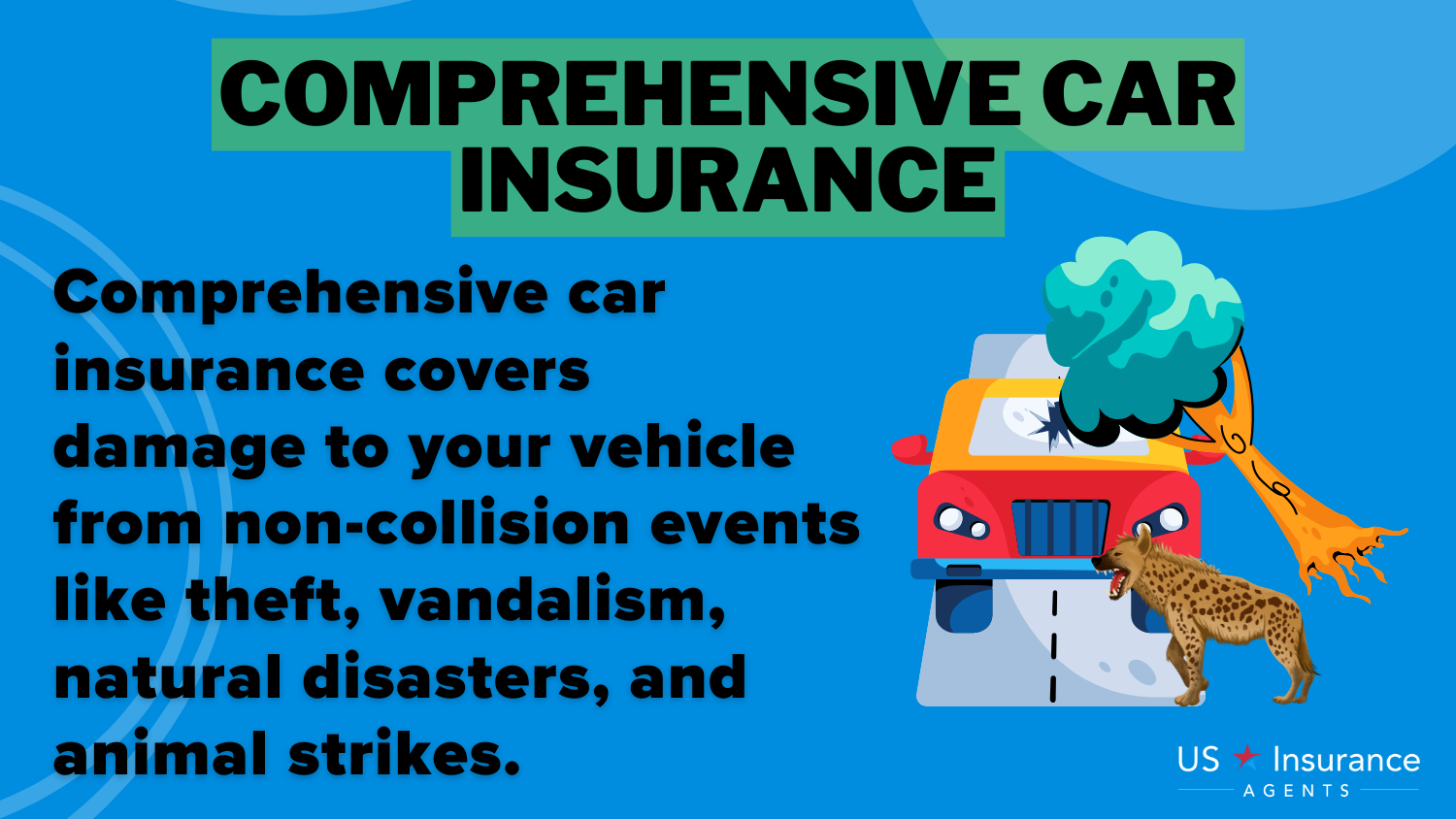
Comprehensive covers things like theft, fire, or damage from weather. If you’re financing or leasing a car, most lenders or dealerships will want you to have full coverage car insurance to protect your investment.
But if your car is totaled, your insurance will only pay the car’s current value, not what you still owe. That’s where GAP insurance comes in—it helps cover the difference between the car’s value and what you owe.
Some full coverage policies also include glass replacement, but you may have to pay a deductible. Always check your policy to make sure you know what’s covered.
Coverage Details Included
The full coverage car insurance coverage detail often includes everything required by law plus extra protection for your own car. For example, Arizona only requires liability, but full coverage adds more.
Still, a lot of people ask, Does full coverage cover everything? The answer is no. It doesn’t cover routine wear and tear, engine problems, or rental cars unless you add that coverage.
To find the best deal, many folks compare full coverage auto insurance from companies like State Farm, Geico, Allstate, and Progressive. You can also check the best full coverage car insurance review to see what others say about coverage, cost, and service. This helps make sure you’re not overpaying and getting the protection you need.
Read more: Best Car Insurance in Your State
Policy Exclusions
Just because a policy is considered full coverage car insurance doesn’t mean it covers everything. Most full coverage policies don’t pay for things like damage from street racing, using your car for work without commercial insurance, or custom upgrades.
U.S. insurance companies are required to list clearly what they don’t cover, so always read your policy. Knowing what’s excluded will help you avoid surprises if you ever have to file a claim.
Read more: What does car insurance cover?
Free Auto Insurance Comparison
Compare Quotes From Top Companies and Save
How to Save Money on Full Coverage Car Insurance
Not all full coverage car insurance policies are the same, so it’s smart to shop around and compare quotes online. This helps you see what different companies offer and what coverage fits your needs.
Full Coverage Car Insurance Monthly Rates by Provider
| Insurance Company | Monthly Rate |
|---|---|
 | $209 |
 | $166 |
 | $199 |
 | $147 |
 | $165 |
 | $129 |
 | $166 |
 | $165 |
 | $134 |
 | $115 |
Many insurers also offer discounts—for example, if your car has side airbags or a security system, or if you have a good driving record, you could pay less. Some older cars may not need full coverage at all—it might be cheaper to drop collision and just pay out of pocket in case of an accident.
Full Coverage Car Insurance Monthly Rates by State
| State | Monthly Rates |
|---|---|
| Alabama | $153 |
| Alaska | $185 |
| Arizona | $188 |
| Arkansas | $193 |
| California | $237 |
| Colorado | $193 |
| Connecticut | $193 |
| Delaware | $208 |
| Florida | $295 |
| Georgia | $201 |
| Hawaii | $138 |
| Idaho | $112 |
| Illinois | $167 |
| Indiana | $139 |
| Iowa | $140 |
| Kansas | $181 |
| Kentucky | $234 |
| Louisiana | $310 |
| Maine | $117 |
| Maryland | $191 |
| Massachusetts | $148 |
| Michigan | $238 |
| Minnesota | $168 |
| Mississippi | $167 |
| Missouri | $194 |
| Montana | $171 |
| Nebraska | $153 |
| Nevada | $211 |
| New Hampshire | $123 |
| New Jersey | $224 |
| New Mexico | $160 |
| New York | $242 |
| North Carolina | $118 |
| North Dakota | $152 |
| Ohio | $119 |
| Oklahoma | $215 |
| Oregon | $155 |
| Pennsylvania | $195 |
| Rhode Island | $201 |
| South Carolina | $201 |
| South Dakota | $179 |
| Tennessee | $149 |
| Texas | $188 |
| Utah | $167 |
| Vermont | $103 |
| Virginia | $148 |
| Washington | $127 |
| West Virginia | $178 |
| Wisconsin | $146 |
| Wyoming | $143 |
Also, filing small claims like windshield repairs may raise your rates. In some cases, it’s better to pay for small repairs yourself and save the insurance for bigger claims.
Read more: Compare Car Insurance Quotes
Factors That Affect Full Coverage Car Insurance Rates
A lot of things can affect your full coverage car insurance rates. It helps to understand them when you’re looking for a policy. This can also help explain full coverage automobile insurance better. Here are some common things that can change how much you pay:
- Driving History: If you’ve got a clean record, your rate is usually lower.
- Age: Younger drivers often pay more for insurance.
- Car Make and Model: Expensive or fast cars usually cost more to insure.
- Location: Living in an area with lots of accidents or theft can raise your rates.
- Credit Score: A better score can help lower your cost.
- Deductible: A higher deductible can bring down your monthly payments.
To find the best car insurance for full coverage, check a complete guide for car insurance quotes. It can help you compare options and find what works best for your budget.
Differences Between Liability and Full Coverage Car Insurance
Understanding the difference between liability vs. full coverage is a big deal when picking car insurance. In most states, the law says you have to carry at least liability insurance. This only covers the other person’s medical bills or car repairs if you cause an accident. It does not pay for your own car.
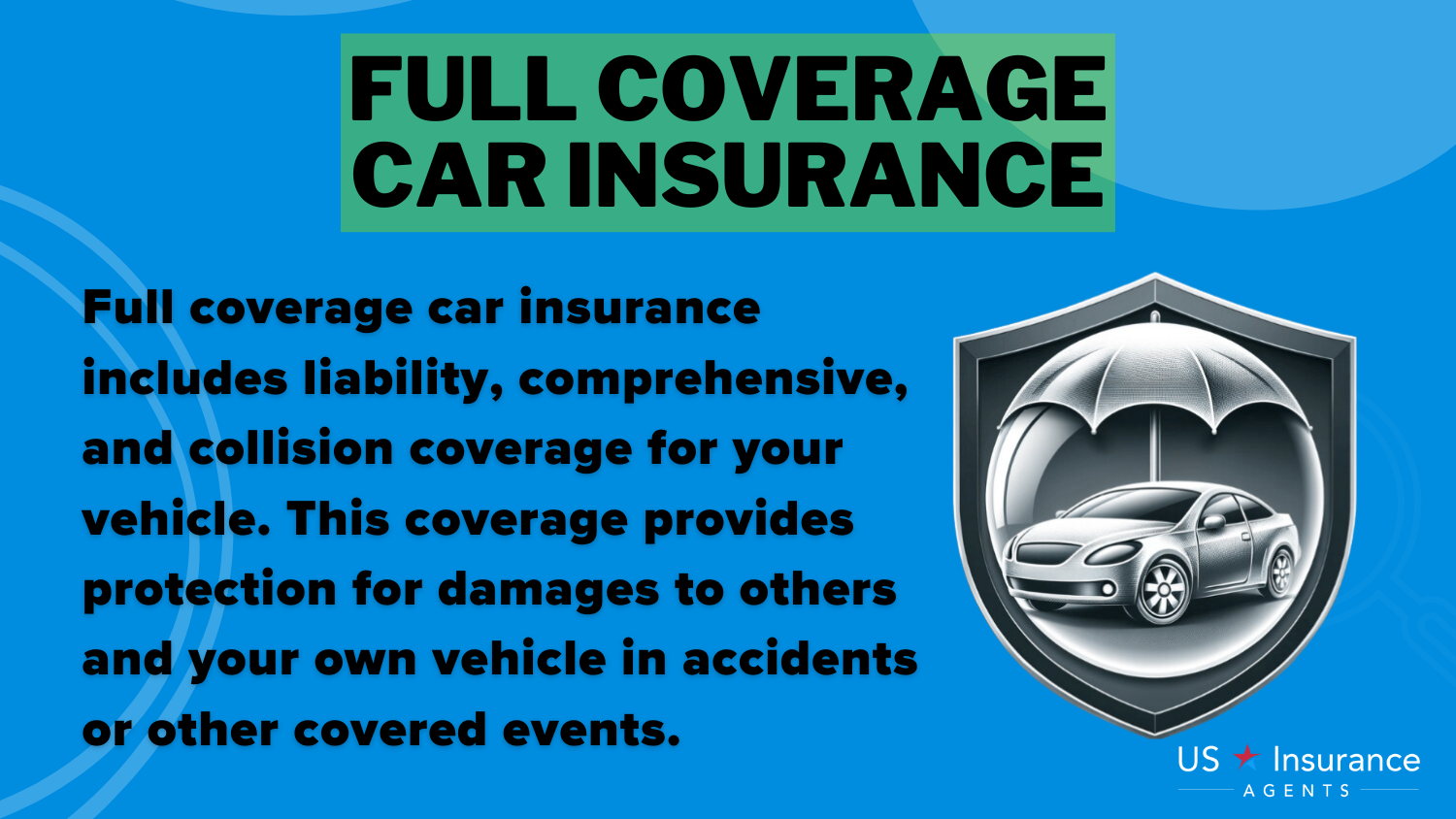
When you compare liability vs. full coverage car insurance, full coverage gives you more protection. What’s included in full coverage car insurance is not just liability but also collision and comprehensive. That means it can cover damage to your own car, theft, storms, or even vandalism.
If you’re still making payments on your car or just want peace of mind, full coverage is usually a better choice. To get the best deal, compare full coverage auto insurance quotes from top companies like State Farm, Allstate, or Geico.
Free Auto Insurance Comparison
Compare Quotes From Top Companies and Save
3 Case Studies: Full Coverage Car Insurance
Full coverage auto insurance can help in many different situations. The case studies below show real-life examples of how this kind of insurance works when unexpected things happen.
Case Study #1: Storm Damage and Comprehensive Coverage
Mary carried full coverage auto insurance, which included comprehensive coverage. Late one evening, amidst a storm, a tree fell onto her parked vehicle and damaged it severely.
Her insurance company covered the repairs after she had paid her deductible. This illustrates how comprehensive coverage guards against weather damage, theft, or even vandalism.
Case Study #2: Total Loss, Gap Insurance, and At-Fault Collision
John financed a new car and added full coverage auto insurance with gap insurance. After a bad accident totaled his car, the insurance payout didn’t cover the rest of his loan because of depreciation. Gap insurance paid the difference, saving him from paying out of pocket.
Michael also had collision car insurance coverage that paid for damage after he caused an accident, showing how full coverage car insurance for bodily injury and property damage can help with at-fault crashes.
Case Study #3: Theft, Hit-and-Run, and Liability Protection
David’s vintage car was stolen, but his comprehensive coverage paid him the appraised value. Emily was injured in a hit-and-run, and her uninsured motorist coverage covered her medical expenses and car repairs.
Sarah caused an accident and was sued, but her liability coverage handled the legal costs and claims, showing the strong protection full coverage auto insurance can give.
Chris Abrams Licensed Insurance Agent
These case studies show why having full coverage auto insurance matters. Whether it’s a storm, a crash, or a theft, the right coverage can protect your car and your wallet when it counts.
Read more: Types of Car Insurance Coverage
Tips for Finding Affordable Full Coverage Car Insurance
It’s easier than you believe to find cheap full coverage car insurance. Begin by getting quotes from well-known insurers such as Geico, State Farm, or Progressive.
It’s important to know what classifies as full coverage insurance, which typically includes liability, collision, and comprehensive coverage. You can also save money by taking advantage of discounts, like those for having a clean driving record, bundling insurance, or having anti-theft features in your car.
Another way to lower your costs is by increasing your deductible. An example of full coverage car insurance would be a policy that covers your car if it’s damaged or stolen and helps pay for others’ costs if you’re at fault.
To get the best full coverage car insurance, make sure to shop around, check reviews, and pick a policy that fits both your needs and budget.
Read more: Collision vs. Comprehensive Car Insurance: Which coverage is right for you?
Affordable car insurance rates are just a click away. Enter your ZIP code into our free quote tool to find the best policy for you.
Frequently Asked Questions
What is full coverage car insurance?
Full coverage car insurance provides a higher level of protection for your car than liability insurance. It typically includes collision, comprehensive, and liability coverage.
What does collision coverage cover?
Collision coverage pays for damages to your car if you get into an accident with another vehicle or object. Finding cheap car insurance quotes is easy. Just enter your ZIP code into our free comparison tool to instantly compare quotes near you.
What does comprehensive coverage cover?
Comprehensive coverage pays for damages to your car that are not related to a collision. This includes damage from theft, fire, vandalism, or natural disasters.
Read more: Geico Car Insurance Discounts
Is full coverage car insurance required by law?
No, full coverage car insurance is not required by law. However, most lenders require full coverage if you have a car loan, and it is highly recommended if you have a newer or more valuable car.
How much does full coverage car insurance cost?
The cost of full coverage car insurance varies depending on several factors, including your driving history, the make and model of your car, and your location. On average, full coverage car insurance can cost anywhere from $42 to $125 per month.
What is the deductible for full coverage car insurance?
The deductible for full coverage car insurance is the amount of money you pay out of pocket before your insurance kicks in. Typically, deductibles range from $250 to $1,000.
Read more: Best Car Insurance by Vehicle
What is the difference between full coverage car insurance and liability insurance?
Liability Insurance only covers damages you may cause to other people and their property, while full coverage car insurance covers damages to your own car as well.
Does full coverage car insurance cover rental cars?
Some full coverage car insurance policies include rental car coverage, but you should check with your insurance company to make sure.
How do I know if I have full coverage car insurance?
You can check your insurance policy or contact your insurance company to see if you have full coverage car insurance. It’s important to understand what your policy covers and what it doesn’t.
Read more: 10 Cheapest Car Insurance Companies
Does full coverage car insurance cover at-fault accidents?
Yes, full coverage car insurance does cover at-fault accidents. It includes collision coverage, which pays for the damage to your own car if you’re responsible for the accident.
However, it’s important to remember that your insurance will only cover damages up to the limits of your policy, and you may need to pay a deductible.
Related Articles
Get a FREE Quote in Minutes
Insurance rates change constantly — we help you stay ahead by making it easy to compare top options and save.